Introduction
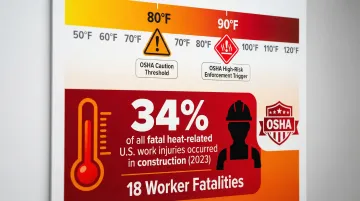
Heat stress on construction and electrical jobsites isn't just uncomfortable—it's dangerous. Workers in high-heat environments without proper ventilation face increased fatigue, reduced focus, and a sharply higher risk of heat stroke. According to CPWR, the construction industry accounted for 34% of all fatal heat-related injuries in the U.S. in 2023, with 18 workers losing their lives. Heat exposure also impairs cognitive function—contributing directly to falls and equipment accidents as body temperature rises.
Air cooled safety helmets address this hazard by combining impact protection with ventilation systems that reduce heat buildup under the shell. Unlike standard sealed hard hats, these helmets use vented shells and open suspension designs to promote airflow. The result: workers stay cooler and more focused through long shifts in demanding conditions.
This guide covers the top air cooled safety helmet options available in 2025, the key features to evaluate before purchasing, and how to match the right helmet to your jobsite's hazard profile and compliance requirements.
Key Takeaways
- Air cooled helmets use vented shells and open suspensions to cut heat buildup
- Top 2025 models include the Pyramex Ridgeline, MSA V-Gard 500, Bullard Vector, Klein Tools 60407, and Honeywell North Zone
- Key specs to compare: ANSI Type (I or II), electrical Class (G, E, or C), vent design, suspension system, and weight
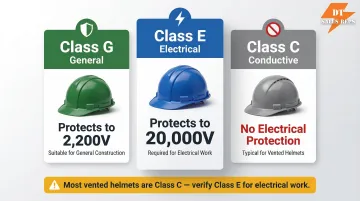
- Most vented helmets are Class C (no electrical protection)—verify Class E rating for electrical work
- DT Sales Reps supplies safety helmets and jobsite essentials for distributors and contractors
What Are Air Cooled Safety Helmets and Why Do They Matter
Air cooled safety helmets are hard hats engineered with ventilation slots, mesh panels, or open suspension systems that allow air to flow between the shell and the wearer's head. This design reduces trapped heat and moisture compared to standard sealed hard hats, which can turn into sweatboxes in warm weather or poorly ventilated spaces.
The occupational heat stress problem is serious and undercounted. Construction workers, electrical contractors, and OSP crews working outdoors or in confined spaces face elevated risk of heat illness—and the consequences go beyond discomfort. Elevated temperatures impair physical coordination and cognitive function, reducing memory, attention, and decision-making ability.
The stakes show up in injury data too. OSHA's 2024 heat illness prevention proposal cited a direct link between rising heat index and traumatic injury risk among outdoor construction workers, with injury rates climbing when the daily maximum humidex exceeded 77°F.
That injury data is driving regulatory action. OSHA is developing a dedicated heat illness standard (proposed in August 2024) with enforcement triggers at 80°F and 90°F heat index. Until it's finalized, enforcement runs through the General Duty Clause — and thousands of federal heat inspections are already underway via OSHA's National Emphasis Program. Controlling heat exposure is a recognized safety obligation, not an optional upgrade.
The helmets reviewed below were selected for ventilation effectiveness, ANSI/ISEA compliance, and comfort features suited to construction and electrical contracting work.
Best Air Cooled Safety Helmets for Construction and Industrial Use
These helmets were chosen based on ventilation design, ANSI/ISEA certification, suspension quality, and practical value for construction and electrical jobsites.
Pyramex Ridgeline Vented Cap Style Hard Hat
Pyramex is a widely trusted PPE brand in the construction and industrial sector, and the Ridgeline vented cap-style hard hat is one of their most popular options for general jobsite use. This helmet delivers solid ventilation performance at a price point that makes it attractive for bulk procurement by contractors and distributors.
Key differentiators:
- Lightweight ABS thermoplastic shell (358 grams total)
- Multiple fixed vent slots for passive airflow across the crown
- 6-point ratchet suspension for stable, comfortable fit
- Reverse donning supported for flexibility in wear orientation
- Budget-friendly option ideal for high-volume orders
| Feature | Specification |
|---|---|
| Shell Material | UV-stabilized ABS; 358 grams total weight |
| Ventilation Design | Fixed cooling vents on upper shell for improved air circulation |
| Certifications | ANSI Type I, Class C (no electrical protection); reverse donning supported |
MSA V-Gard 500 Vented Safety Helmet
MSA is a global safety equipment manufacturer with a long-standing presence in industrial PPE. The V-Gard 500 is their ventilated safety helmet built around a low-profile form factor closer to a bicycle helmet.
Key differentiators:
- Low-profile helmet design for improved comfort and reduced bulk
- Chin strap included for added retention in high-wind or elevated work
- Broad accessory ecosystem compatible with MSA-approved attachments
- Dual certification: ANSI and EN397 (European standard), appealing for multinational contractors
- Shell-only weight of 270 grams (among the lightest options)
| Feature | Specification |
|---|---|
| Shell Material | UV-stabilized ABS; shell weight 270 grams |
| Ventilation Design | Ventilation holes on upper shell for optimized airflow |
| Certifications | ANSI Type 1, Class C; also certified to EN 397:2012, EN 50365:2002, CAN/CSA Z94.1-2015, AS/NZS |
Bullard VTKBR Vector Type II Vented Hard Hat
Bullard is a U.S.-based safety company with over a century of industrial PPE manufacturing. The Vector series is Bullard's primary vented hard hat line and one of the few Type II vented helmets on the market—offering both top and lateral impact protection while maintaining ventilation.
Key differentiators:
- Dual-shell construction: HDPE outer shell with EPS foam liner for Type II lateral protection
- Class E and G electrical ratings—rare for a vented helmet
- Sweat-wicking suspension for all-day comfort
- Ideal for workers exposed to overhead and lateral hazards (for example, swinging loads, side impacts)
- Optional HV (high visibility), LT (low temperature), and HT (high temperature) markings available
| Feature | Specification |
|---|---|
| Shell Material | HDPE outer shell + EPS foam liner; 435 grams total weight |
| Ventilation Design | Vents integrated into dual-layer shell; foam liner may slightly reduce airflow vs. open-vent designs |
| Certifications | ANSI Type II, Class E & G; optional HV, LT, HT markings available |
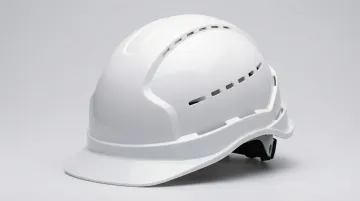
Klein Tools 60407 Vented Type I Hard Hat with Headlamp
Klein Tools focuses on professional-grade tools and PPE for electrical contractors and tradespeople. The 60407 is their vented cap-style hard hat with an integrated headlamp, making it a practical choice for electricians working in confined spaces, attics, or low-light environments.
Key differentiators:
- Adjustable slide-type vents that workers can open or close for airflow control
- Open suspension design that complements the vent system
- Integrated 150-lumen headlamp (high) / 50-lumen (low) eliminates need for a separate accessory
- PC/ABS shell blend offers strong UV and impact resistance
- One-year manufacturer warranty on select components
| Feature | Specification |
|---|---|
| Shell Material | PC/ABS blend; 0.6 kg total weight |
| Ventilation Design | Slide-type adjustable vents (open/close control); open suspension enhances airflow |
| Certifications | ANSI Type I, Class C; integrated headlamp: 150 lumens (high), 50 lumens (low); 3 x AAA batteries |
Honeywell North Zone Vented Hard Hat
Honeywell Safety is a major PPE manufacturer, and the North Zone series addresses growing demand for vented industrial hard hats with strong thermal comfort performance in hot climates. This helmet is well-suited for OSP and utility crews working in warm outdoor conditions.
Key differentiators:
- Large top vents for maximum passive airflow
- 4-point or 6-point ratchet suspension options for customized fit
- Honeywell's broad distribution network makes it easy to source in volume
- Optional Low Temperature (LT) marking for use down to -30°C (-22°F)
- Reverse donning supported; high-visibility color options available
| Feature | Specification |
|---|---|
| Shell Material | HDPE; 390 grams with ratchet suspension, 365 grams with pin lock suspension |
| Ventilation Design | Large top vent slots; no confirmed internal airflow channels |
| Certifications | ANSI Type I, Class C; optional LT marking for low-temperature use; reverse donning supported |
Key Features to Look for in an Air Cooled Safety Helmet
ANSI/ISEA Z89.1 Certification: Type and Class
Understanding ANSI/ISEA Z89.1 certification is critical for matching the helmet to the jobsite hazard:
Type I vs. Type II:
- Type I: Tested for impact to the top of the head only (most common)
- Type II: Tested for both top and lateral impacts; recommended for workers exposed to side hazards like swinging loads
Class G, E, and C:
- Class G (General): Protects against 2,200 volts; suitable for general construction
- Class E (Electrical): Protects against 20,000 volts; required for electrical work
- Class C (Conductive): No electrical protection; typically vented helmets fall into this class
For electrical contractors: Class E is mandatory. Most vented helmets are Class C and explicitly prohibited by OSHA for electrical work. The Bullard Vector is a rare exception—engineered to achieve Class E rating despite ventilation.
For general construction: Class G or Class C is acceptable where electrical hazards are not present.
Ventilation Design: Fixed vs. Adjustable Vents
Fixed vents:
- Always open, providing maximum continuous airflow
- Best for consistently hot environments
- May allow dust or debris entry in windy or dirty conditions
Adjustable vents:
- Workers can open or close vents as needed (e.g., Klein Tools 60407)
- Offers flexibility for changing conditions
- Allows workers to close vents when dust, chemical spray, or cold weather is a concern
Perforated shells:
- Multiple small vent holes across the shell
- Balances airflow with debris protection
- Common in modern low-profile helmet designs
Maximum ventilation comes at a cost: vented designs offer less protection against chemical splash and debris. For environments with chemical exposure or extreme electrical hazards, non-vented helmets are required.
Suspension Systems: Comfort and Airflow
4-point vs. 6-point ratchet suspension:
- 4-point: Lighter, simpler, adequate for most applications
- 6-point: Better weight distribution, more stable fit, preferred for long shifts
Open-web vs. solid suspension:
- Open-web: Improves air circulation between suspension and head
- Solid bands: Less airflow but may offer more cushioning
Sweatband materials:
- Fabric: Breathable, moisture-wicking, comfortable in heat
- Foam: More cushioning but retains moisture
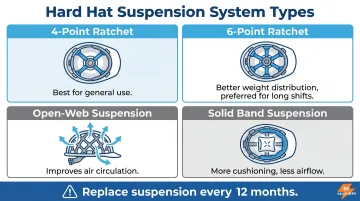
Replacement schedule: Manufacturers recommend replacing suspension every 12 months, as it's critical for impact absorption.
Shell Material: ABS, HDPE, and PC Blends
| Material | Key Properties | Temp Rating | Example |
|---|---|---|---|
| ABS | Lightweight, stiff, good impact resistance | HT and LT available | Pyramex Ridgeline |
| HDPE | Durable, excellent dielectric properties, UV-stabilized | LT-rated options available | Honeywell North Zone, Bullard Vector |
| PC / PC-ABS Blend | High heat resistance, superior impact toughness, UV inhibitors | HT-rated | Klein Tools 60407 |
All compliant helmets meet ANSI/ISEA Z89.1 minimum impact and penetration requirements regardless of material.
Accessory Compatibility
Earmuffs, face shields, and headlamps need to attach to the helmet without compromising its certification. Three rules to follow:
- Mechanical fit alone does not equal safety compliance — use only manufacturer-approved accessories
- Third-party accessories can void certification if not tested as part of the helmet assembly (impact attenuation, penetration resistance, and dielectric properties all apply)
- Electrical contractors should verify arc flash face shields are explicitly approved for their specific helmet model
Per ANSI/ISEA Z89.1 Section 5, the entity providing the accessory must justify — through third-party testing — that the helmet-accessory combination still meets all safety requirements.
How We Chose the Best Air Cooled Safety Helmets
These helmets were evaluated based on published ANSI/ISEA certification data, manufacturer technical specifications, and real-world feedback from construction and electrical contracting environments.
A common procurement mistake: choosing on price alone without confirming the ventilation design suits actual work conditions and the helmet carries the correct ANSI Type and Class rating for the jobsite hazards present.
Primary evaluation factors:
- ANSI Type and Class certification — confirms protection against site-specific impact and electrical hazards
- Ventilation system design — fixed vs. adjustable vents, vent count and placement, and airflow effectiveness
- Suspension quality — 4-point vs. 6-point, open-web vs. solid, sweatband material
- Shell material and weight — affects all-shift comfort and durability under UV exposure
- Procurement value at scale — price point, supply availability, and replacement part access
Together, these factors drive real outcomes: fewer heat-illness incidents, full-shift comfort, and verified compliance with OSHA and ANSI requirements.
For distributors procuring safety helmets in bulk: Prioritize brands with consistent supply availability and accessible replacement parts. DT Sales Reps supplies safety helmets alongside conduit, cable, tools, and other jobsite essentials — so distributors and contractors can source compliant PPE through a single, reliable channel. Contact David S. at 281-900-1506 or DavidS@DTTexas.com to discuss your safety product needs.
Conclusion
Choosing the right air cooled safety helmet comes down to more than ventilation. The helmet needs to carry the correct ANSI certification, fit comfortably through a full shift, and work with whatever accessories the job demands. Heat stress is a serious and undercounted hazard — but the wrong helmet for the environment introduces new risks, particularly around electrical hazards and lateral impacts.
Evaluate helmets against the specific conditions of your jobsite: heat level, electrical hazard class, impact risk direction, and accessory requirements. Don't default to the cheapest or most familiar option without verifying that the helmet's Type, Class, and ventilation design match the actual hazards your workers face.
When you're ready to source air cooled safety helmets alongside conduit, cable, and other jobsite essentials, DT Sales Reps can help. Contact us at 281-900-1506 or DavidS@DTTexas.com to discuss helmets, safety gear, and the rest of your materials needs.
Frequently Asked Questions
What is the difference between a vented and non-vented hard hat?
Vented hard hats include slots or perforations in the shell to allow airflow and reduce heat buildup, while non-vented models offer a sealed shell that protects against chemical splash and certain electrical hazards. The right choice depends on the specific jobsite hazard profile.
Do air cooled safety helmets meet ANSI/ISEA safety standards?
Yes, vented hard hats can be fully ANSI/ISEA Z89.1 compliant. ANSI certification covers impact protection regardless of ventilation design, but buyers must verify that the specific model carries the correct Type (I or II) and Class (G, E, or C) rating for their application.
Can I use a vented hard hat for electrical work?
Most vented hard hats are Class C (Conductive) and provide no electrical protection—OSHA explicitly prohibits their use for electrical work. Rare exceptions like the Bullard Vector are engineered to achieve Class E ratings. Always verify the Class E marking on the helmet label before use near electrical hazards.
What is the difference between Type I and Type II safety helmets?
Type I helmets protect against impacts to the top of the head only. Type II helmets are tested for both top and lateral impacts and are recommended for workers exposed to falling or swinging objects from the side.
How long does a safety helmet last before it needs to be replaced?
Replace the shell every 5 years from first use—or every 2 years in high heat, UV, or chemical environments—and swap the suspension annually. Any helmet that absorbs a significant impact should be replaced immediately, regardless of visible damage.
Are air cooled safety helmets suitable for outdoor use in all climates?
Vented helmets work well in hot and humid conditions but fall short in extreme cold. For winter use, look for the Low Temperature (LT) marking (rated to -30°C) and pair the helmet with a manufacturer-approved winter liner.